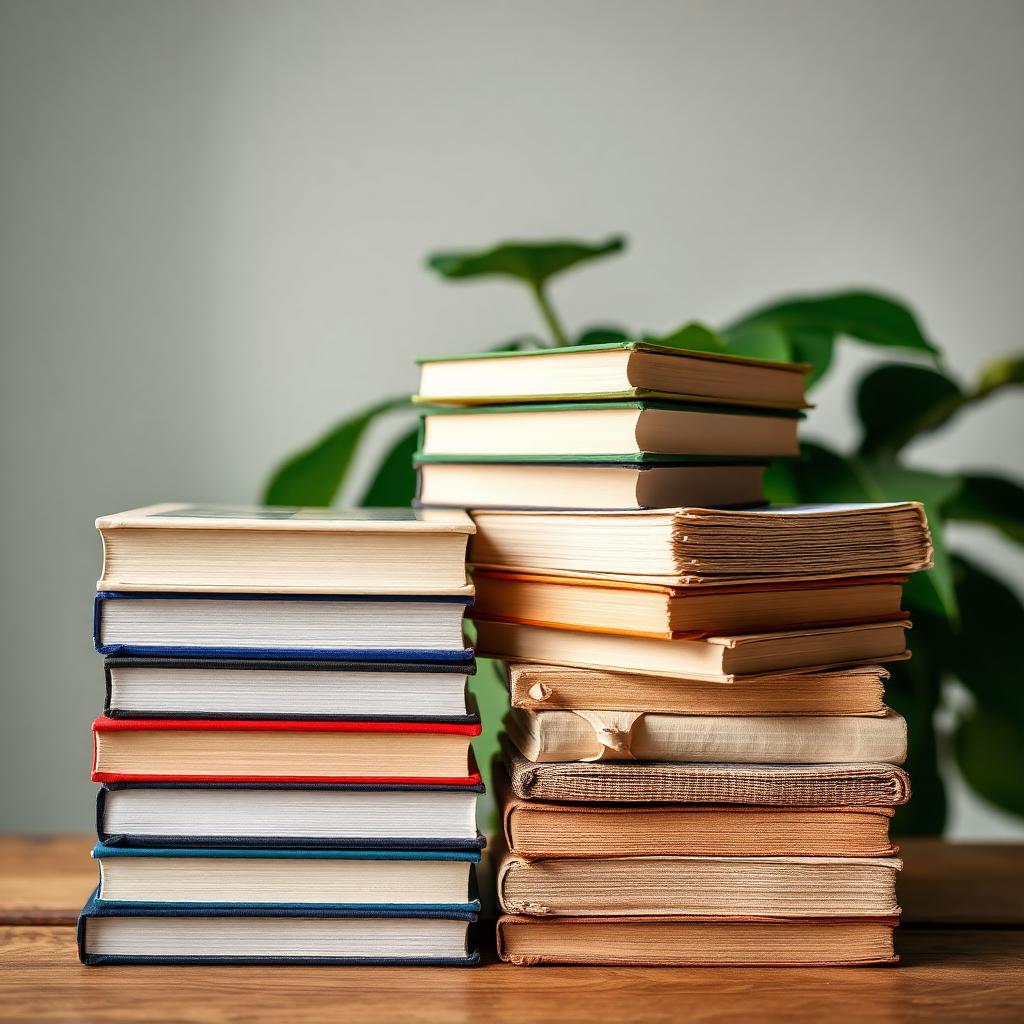
Walk into any UK reader''s home this year and you will likely find a shelf that tells a quiet story. A few crisp new releases, sure, but increasingly the bulk of the books are pre-loved. Slightly creased spines. The faint smell of someone else''s bookcase. Stickers from a charity shop in Bristol or a marketplace seller in Leeds.
Used books are winning in 2026, and it is not just a price story. It is a value story, a culture story and a sustainability story all at once.
The price gap has become impossible to ignore
A new hardback in 2026 routinely sits between £18 and £25. The same book, pre-loved and barely read, lands at £6 to £9 within weeks of release. For readers getting through two or three books a month, choosing used over new is the difference between a £600 yearly habit and a £150 one.
That gap matters even more for parents stocking up on children''s books, students chasing reading lists, and book club members who refuse to skip a month.
The environmental case for pre-loved books
A single new book carries roughly 2 to 3 kilograms of carbon between paper, printing, shipping and packaging. Buying that book second hand cuts the lifetime impact dramatically because the production cost has already been paid by the first reader.
Multiply that by the 200 million plus books bought in the UK each year and the maths gets serious quickly. Every pre-loved purchase is a small vote for reuse over manufacture.
Where used books actually beat new ones
- Out of print titles: the only way to read them is second hand.
- Older editions with original covers: often more beautiful than the reissue.
- Annotated copies: previous reader notes can be a genuine bonus, especially for classics.
- Series binges: completing a trilogy used costs less than book one new.
When new is still worth it
Buying new matters when you want to directly support a specific author, especially a debut. It matters for signed copies at events, for fragile first weeks of sales that decide whether a book gets a sequel, and for special editions you genuinely treasure. The honest answer is not pre-loved or new. It is both, in the right proportions, with intention.
The community side nobody talks about
Pre-loved books come with a quiet community attached. The seller who tucks a handwritten thank you into the parcel. The buyer who messages to say the book arrived just in time for a flight. The shared shelves on platforms like ReReadz that show what your neighbours are reading. New books are transactions. Used books are conversations.
How to make the switch without overthinking it
- Next time you wishlist a book, search the used market first.
- Set a simple rule, like nothing new under £10 unless I cannot find it pre-loved.
- Bundle your buys with one seller to keep shipping low.
- Pass your finished books back into the system. The cycle works because readers keep it moving.
Pre-loved is not a downgrade. In 2026 it is increasingly the default for readers who care about price, planet and the small joy of holding a book that has lived a life before yours.